
Explosion-Proof Chiller Projects for Hazardous Industrial Environments
Explosion-proof chiller projects require careful engineering communication before configuration. Depending on project requirements and confirmed electrical classification, APT can discuss safety-focused cooling design for hazardous industrial environments, solvent processes, and chemical areas.
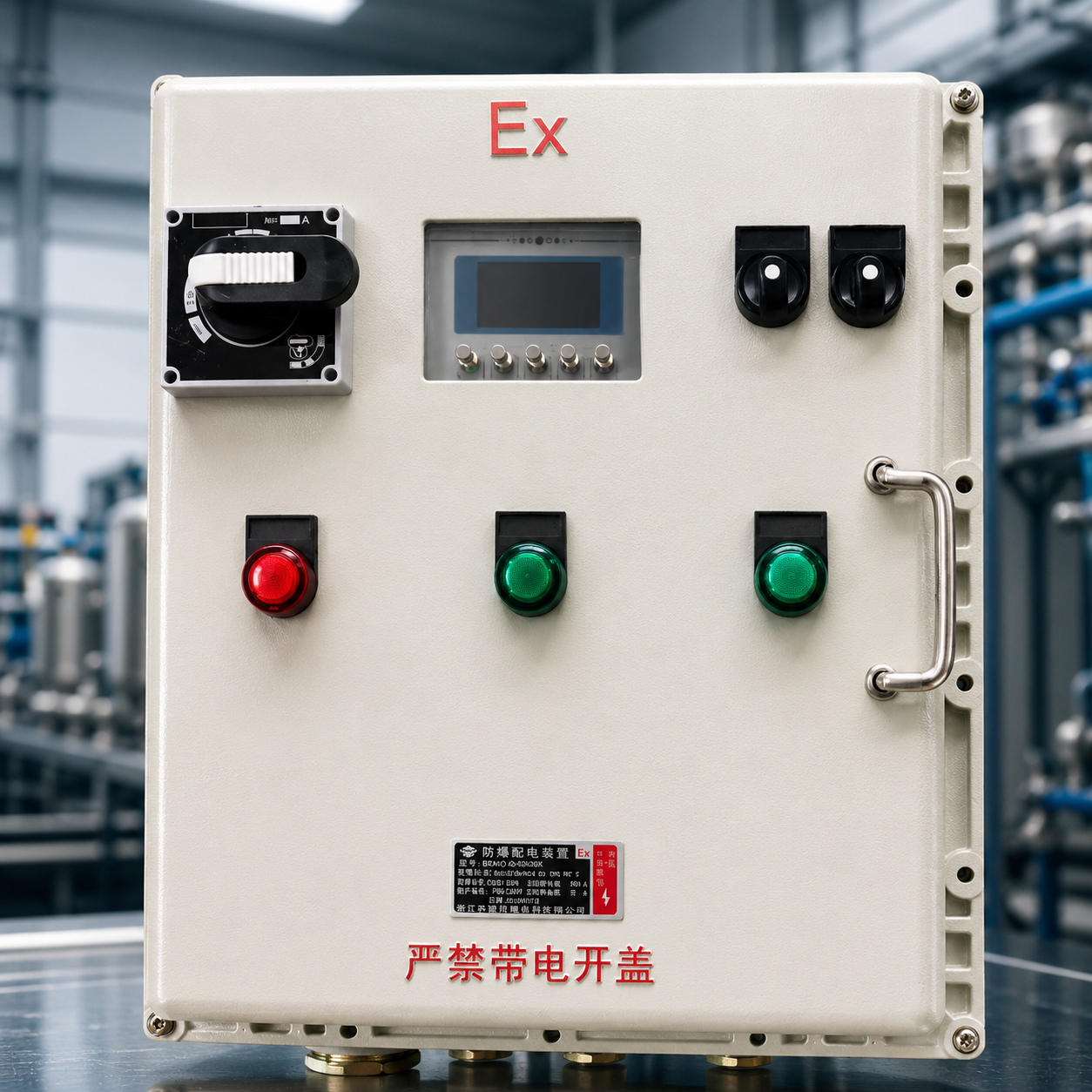
Project Summary
Project type
Cooling for hazardous areas, solvent processes, chemical production, extraction systems, and safety-sensitive process cooling.
Main cooling challenge
Electrical classification, installation environment, control cabinet design, fluid compatibility, and cautious safety review.
Recommended design direction
Custom chiller configuration subject to confirmed project standards, local safety requirements, and installation conditions.
Typical equipment / industry
Chemical processing, solvent handling, extraction, pharmaceutical processes, hazardous-area cooling, and custom industrial equipment.
Project Overview
Industrial chiller projects are rarely solved by selecting a catalog model only. Real project conditions include cooling capacity, inlet and outlet water temperature, ambient temperature, condenser type, pump flow and pressure, tank volume, heat exchanger material, refrigerant circuit design, power supply, control logic, installation environment, and delivery requirements.
APT is an engineering-based industrial chiller manufacturer supporting precision process cooling, custom cooling systems, high ambient industrial operation, corrosion-resistant cooling design, explosion-proof design discussion, OEM integrated cooling, and export-oriented project communication.
The purpose of this project guide is to help engineers, overseas buyers, equipment manufacturers, purchasing teams, and project managers understand what should be reviewed before requesting a chiller quotation. Good project information allows APT to recommend a practical application-specific cooling configuration rather than a generic size.
Typical Explosion-Proof Chiller Project Scenarios
Explosion-proof chiller projects may appear in solvent processing, chemical production, extraction systems, coating or mixing areas, pharmaceutical processes, and other hazardous industrial environments. The project may require special electrical design, protected controls, remote installation, or separation between cooling circuit and hazardous area.
Not every chemical process requires explosion-proof configuration. The requirement depends on the installation environment, process fluid, vapor risk, ventilation, local safety standards, and confirmed electrical classification. APT can discuss explosion-proof design requirements with the customer, but final configuration should be reviewed according to local safety standards.
Project-based chiller design is important because cooling capacity alone does not define safety suitability. Electrical cabinet location, control components, cable routing, pump arrangement, heat exchanger material, and installation layout all require discussion.
Why Hazardous Environments Need Special Cooling Design
Standard industrial chillers may include electrical components that are not suitable for hazardous areas. In a solvent or classified environment, sparks, hot surfaces, electrical cabinets, motors, sensors, and control devices may need special review depending on project classification.
Cooling may still be required for reactors, condensers, extraction systems, mixing tanks, process loops, or solvent recovery equipment. The challenge is to provide stable process temperature control while respecting the safety requirements of the site.
APT uses cautious engineering communication for these projects. The customer should confirm the hazardous area classification and applicable standards before final design decisions are made.
What Project Information Must Be Confirmed Before Design
Important information includes process fluid, vapor risk, installation location, area classification, local electrical standard, ambient temperature, required cooling capacity, target water temperature, pump flow and pressure, voltage, and whether the chiller can be installed outside the classified area.
Photos, drawings, and process descriptions help clarify whether the cooling equipment should be remote-mounted, whether a secondary cooling loop is needed, and what control or alarm signals are required.
If the safety requirement is not yet defined, the project should begin with a technical discussion rather than a fixed quotation.
Electrical, Control Cabinet, and Cooling Circuit Considerations
Depending on project requirements, electrical components may need special protection, separation, or customized cabinet design. Control logic, alarms, sensors, and communication may also need to align with site safety practices.
The cooling circuit must also match the process fluid and material requirements. Chemical or solvent-related projects may need stainless steel, titanium, or other compatible heat exchanger materials. Pump seals and piping materials should also be reviewed.
APT can support custom engineering discussions for explosion-proof design requirements, but final configuration remains subject to confirmed electrical classification and local safety review.
Project Challenges to Review
Undefined area classification
Design cannot be finalized until safety requirements and installation conditions are confirmed.
Electrical component suitability
Motors, controls, sensors, and cabinets may need special review.
Chemical compatibility
Heat exchanger and pump materials must match process fluid risk.
Remote installation
Locating the chiller outside a hazardous area may change pump and piping requirements.
APT Engineering Solution Approach
APT customizes industrial chillers according to real project conditions. Engineers review cooling capacity, inlet and outlet water temperature, ambient temperature, condenser type, pump flow and pressure, water tank volume, heat exchanger material, refrigerant circuit design, power supply and electrical control, PLC or communication requirements, installation environment, and export packaging needs.
This engineering-based technical support helps match the chiller to the process instead of forcing the process to fit a standard machine. For demanding applications, APT can discuss high-ambient condenser design, corrosion-resistant heat exchangers, explosion-proof design requirements subject to confirmed classification, special voltage, compact layout, OEM integrated cooling, and long-term service access.
Recommended Project Configuration Table
| Project scenario | Cooling requirement | Recommended chiller design | Key engineering note |
|---|---|---|---|
| Solvent process cooling | Stable temperature with safety review | Custom chiller subject to classification discussion | Confirm local standards and installation environment. |
| Chemical extraction system | Cooling plus material compatibility | Corrosion-resistant chiller with protected control options | Fluid and vapor risk should be reviewed. |
| Remote chiller installation | Long piping and pressure loss | Higher pump head or secondary loop design | Confirm distance, height, and pipe diameter. |
| Hazardous area cabinet requirement | Electrical protection and alarms | Custom electrical/control configuration | Final design depends on confirmed classification. |
Project Information Checklist Before Quotation
To help APT engineers prepare a suitable project-based chiller design, provide as much of the following information as possible:
- Process or equipment type
- Estimated heat load, machine power, or required cooling capacity
- Required inlet and outlet water temperature
- Ambient temperature and installation location
- Cooling medium or process fluid
- Required pump flow and pressure
- Power supply, voltage, phase, and frequency
- Heat exchanger material requirement
- Safety, electrical, or site standard requirement
- Photos, drawings, or layout information of the installation site if available
FAQ
Does every chemical cooling project need an explosion-proof chiller?
No. Explosion-proof or protected electrical design depends on project requirements, installation environment, fluid risk, ventilation, and confirmed electrical classification.
Can APT provide explosion-proof chiller project support?
APT can discuss explosion-proof design requirements with customers and review custom chiller configuration based on confirmed standards, site conditions, and safety requirements.
What information is needed before quoting an explosion-proof chiller?
Provide area classification, applicable local standards, process fluid, installation location, ambient temperature, heat load, target temperature, voltage, and whether remote installation is possible.
Can the chiller be installed outside the hazardous area?
In some projects, remote installation may reduce electrical requirements near the process, but pump flow, pressure, piping distance, and control signals must be reviewed.
Can APT guarantee compliance with all local explosion-proof standards?
Final configuration should be reviewed according to local safety standards and confirmed project classification. APT can support engineering discussion and customization based on the provided requirements.
Need help designing a chiller for your industrial project?
APT engineers can help review your process conditions, cooling capacity, temperature range, pump pressure, condenser type, heat exchanger material, and installation environment. Share your application details, drawings, site conditions, and special requirements to start a practical project discussion.