
Industrial Chiller Case Studies
Explore APT industrial chiller case studies and application references for die casting cooling, injection molding cooling, laser cooling, thermal spray cooling, electroplating cooling, chemical process cooling, high ambient factory cooling, food-grade process cooling, and custom industrial process cooling projects.
From Application Data to Chiller Direction
APT reviews each cooling project according to heat load, target temperature, pump flow, pump pressure, water quality, heat exchanger material, ambient condition, voltage, and installation layout.
Quick Answer: What Can You Learn from APT Chiller Case Studies?
APT chiller case studies help engineers and buyers understand how different industries define cooling targets, chiller type, cooling capacity, pump flow, pump pressure, temperature stability, heat exchanger material, ambient condition, and installation requirements. They are useful for comparing application-specific cooling logic before requesting a quote.
Each case reference should be reviewed according to actual heat load, process fluid, target temperature, voltage, site condition, and control requirements. Final chiller selection should be confirmed by APT engineers.
Industrial Chiller Case Study Matrix
Use this matrix to review published APT project-based cooling cases, including the customer scenario, cooling target, chiller direction, and engineering data behind each industrial cooling project.
| Case Study | Project Scenario | Chiller Solution | Engineering Review | Case Link |
|---|---|---|---|---|
| Aircraft Engine Overhaul Plasma Spray Cooling Case | 7700 plasma spray system in an aircraft engine overhaul and repair workshop | 20HP air-cooled industrial chiller for plasma gun, power supply, and closed-loop process water | Heat load, flow rate, pump pressure, water quality, continuous duty, workshop ambient temperature | Open Plasma Spray Case |
| Injection Molding Machine Cooling Case | Plastic molding workshop using a 10HP air-cooled chiller for mold cooling and machine-side process water support | 10HP air-cooled industrial chiller for injection molding machine cooling | Machine tonnage, mold temperature, cycle time, flow rate, tank volume, hydraulic oil load | Open Injection Molding Case |
| Mobile Industrial Chiller Temporary Production Cooling Case | Temporary production line support, maintenance backup, and movable process cooling for flexible factory use | 10HP mobile industrial chiller with caster-based movement and temporary loop connection | Runtime, connection method, hose length, pump pressure, drainage, power supply | Open Mobile Chiller Case |
| Food Mixing Tank Cooling Case | Food processing workshop requiring stable temperature control for beverage or sauce mixing tank cooling | 15HP stainless steel process chiller with hygienic water circuit review | Material contact, hygiene requirement, water quality, stainless steel design, cleaning access | Open Food Mixing Tank Case |
| Electroplating Bath Cooling Case | Plating or anodizing line requiring electrolyte bath temperature control and corrosion-resistant cooling review | 24HP stainless steel water-cooled chiller for electroplating bath cooling | Bath chemistry, titanium or stainless heat exchanger, pH, chloride level, secondary loop | Open Electroplating Case |
| Commercial Cold Plunge Bath Cooling Case | Commercial recovery bath or cold plunge equipment requiring stable pull-down and user-cycle temperature control | 2HP compact air-cooled chiller for cold plunge bath cooling | Water volume, pull-down time, user frequency, filtration, ambient temperature, pump flow | Open Cold Plunge Case |
| CNC Spindle Cooling Case | Precision machining workshop requiring spindle cooling and compact machine-side coolant loop control | 3HP compact air-cooled industrial chiller for CNC spindle cooling | Spindle power, coolant tank volume, pump pressure, water quality, machine interface | Open CNC Spindle Case |
| Hot Climate Factory Cooling Case | Hot-climate factory or outdoor process area requiring stable cooling under high ambient temperature | 40HP T3 high-ambient air-cooled industrial chiller | Ambient temperature, condenser margin, airflow clearance, cabinet protection, voltage, dust exposure | Open High Ambient Case |
| Fiber Laser Cutting Machine Cooling Case | Metal fabrication workshop using fiber laser cutting equipment with laser source and cutting head cooling | Compact air-cooled laser chiller or small industrial process chiller | Laser power, water cleanliness, temperature stability, alarm interface, flow protection | Open Laser Cutting Case |
| Dust Hazardous Area Explosion-Proof Cooling Case | Dust-hazardous industrial workshop requiring explosion-proof electrical protection and continuous process cooling support | 90HP explosion-proof industrial chiller with hazardous-area electrical review | Hazardous-area standard, solvent or dust exposure, target temperature, heat exchanger material, electrical review | Open Explosion-Proof Case |
| Solar-Assisted Remote Equipment Cooling Case | Remote or unstable-grid site using solar-assisted power strategy for process cooling continuity | Solar-assisted industrial chiller with hybrid power and backup review | Cooling load, operating hours, solar input, battery storage, inverter sizing, backup power | Open Solar-Assisted Case |
Featured Industrial Chiller Cases
These published APT case references show how different industries approach process cooling, chiller type, pump configuration, and custom engineering review.
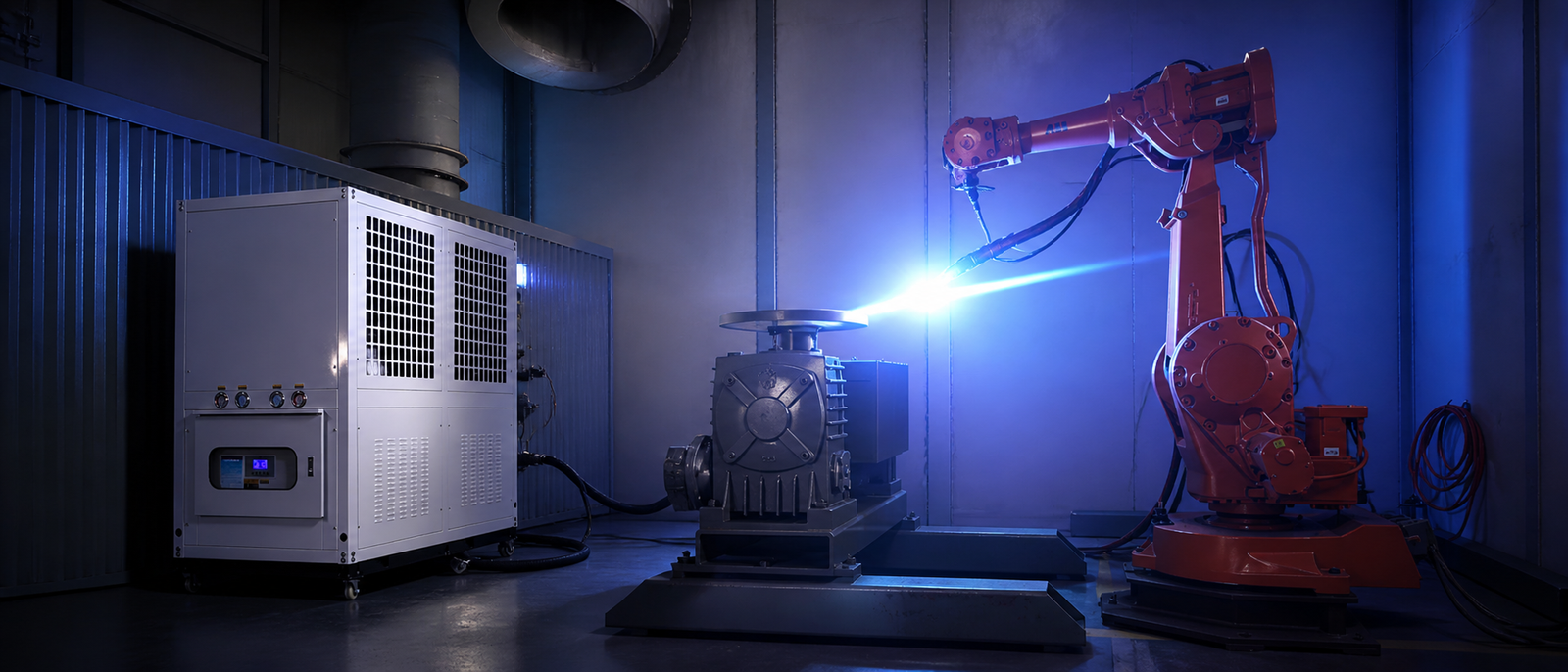
Aircraft Engine Overhaul Plasma Spray Cooling Case
Cooling Focus: Plasma spray torch, power supply, and closed-loop process water stability.
Chiller Direction: 20HP air-cooled industrial chiller.
Engineering Review: Heat load, flow rate, pump pressure, water quality, continuous duty, workshop ambient temperature.
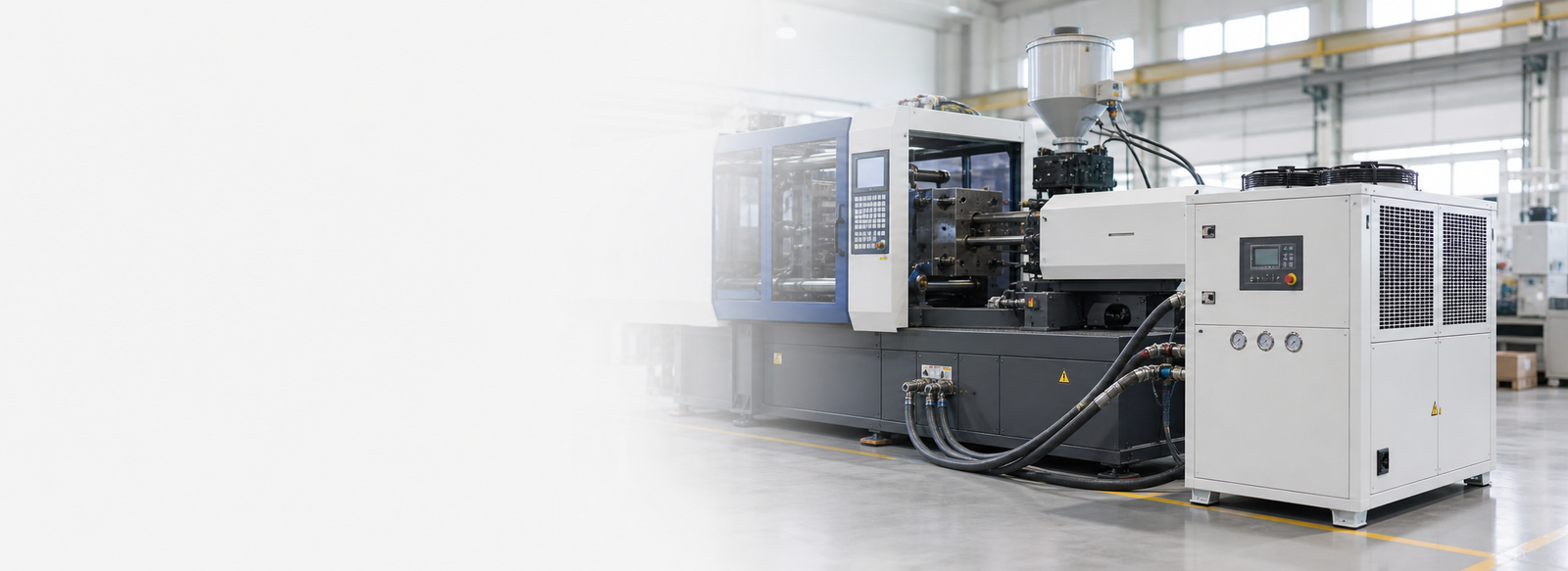
Injection Molding Machine Cooling Case
Cooling Focus: Mold cooling, machine-side loop stability, and process water temperature support.
Chiller Direction: 10HP air-cooled industrial chiller.
Engineering Review: Mold temperature, machine tonnage, cycle time, tank volume, water flow, pump pressure.
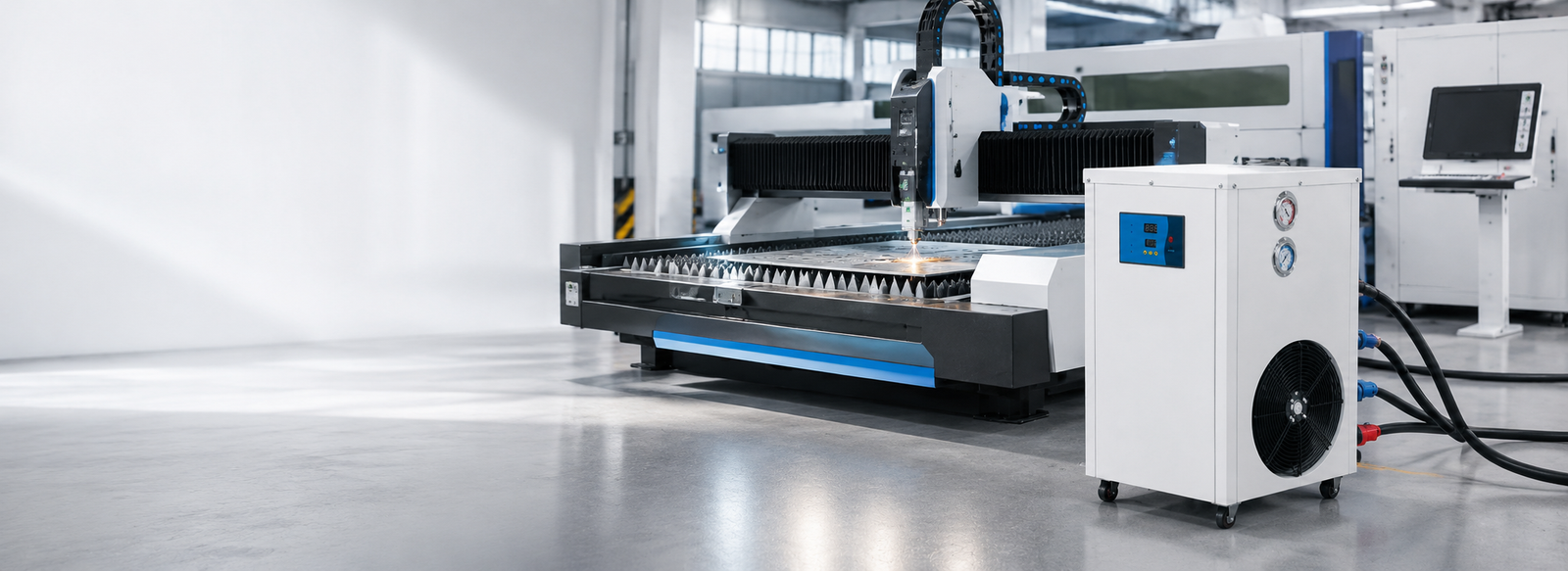
Fiber Laser Cutting Machine Cooling Case
Cooling Focus: Laser source, optics, cutting head, welding head, precision water loop.
Chiller Direction: 5HP air-cooled laser cooling chiller.
Engineering Review: Laser power, water quality, temperature stability, flow protection, machine signal interface.

CNC Spindle Cooling Case
Cooling Focus: Spindle loop temperature stability, compact machine-side routing, and coolant cleanliness.
Chiller Direction: 3HP compact air-cooled industrial chiller.
Engineering Review: Spindle power, coolant tank volume, pump pressure, water quality, machine interface.
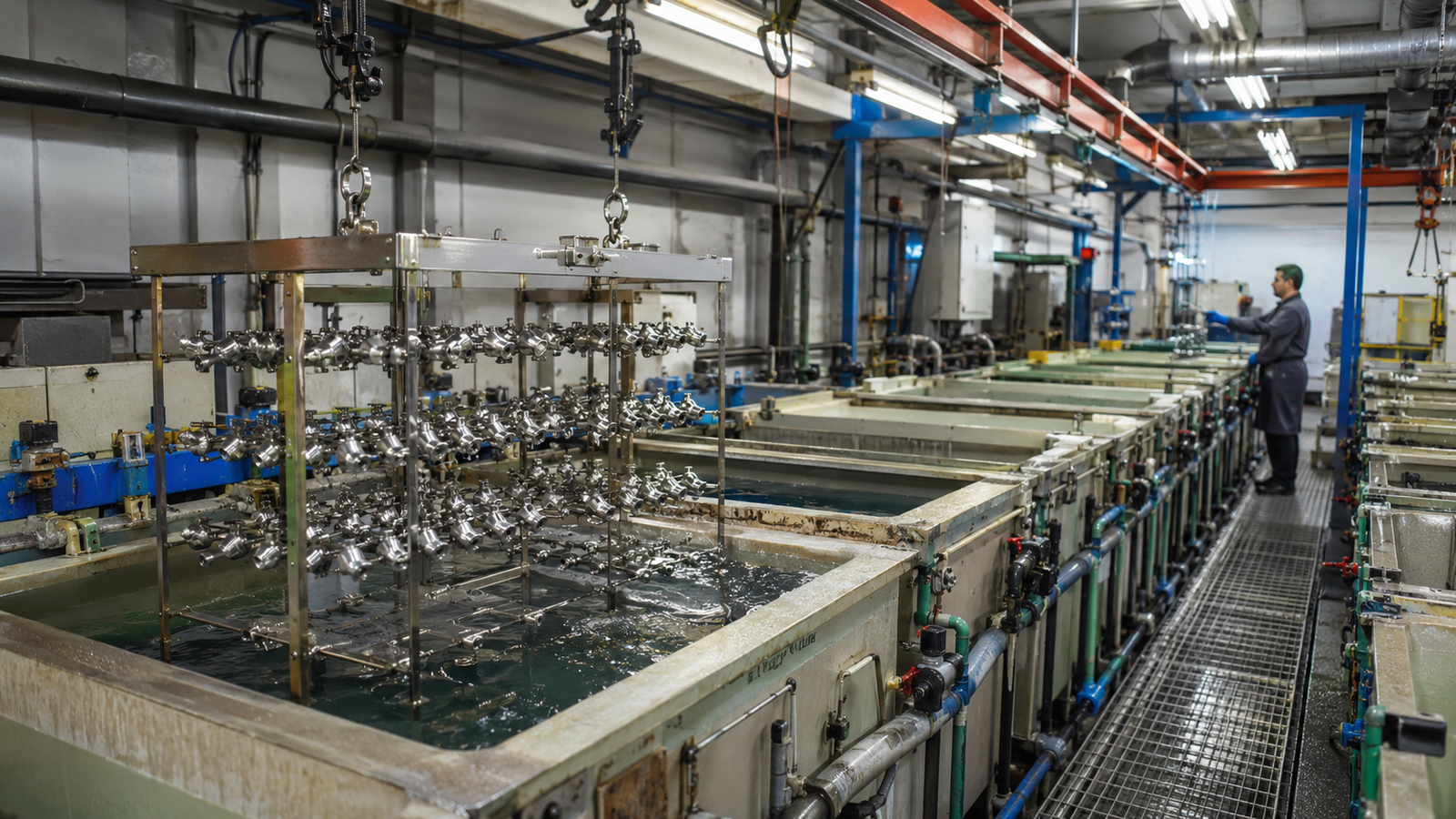
Electroplating Bath Cooling Case
Cooling Focus: Plating bath cooling, anodizing cooling, electrolyte temperature control.
Chiller Direction: 24HP stainless steel water-cooled chiller.
Engineering Review: Bath chemistry, tank volume, heat exchanger material, titanium or stainless options, secondary loop.
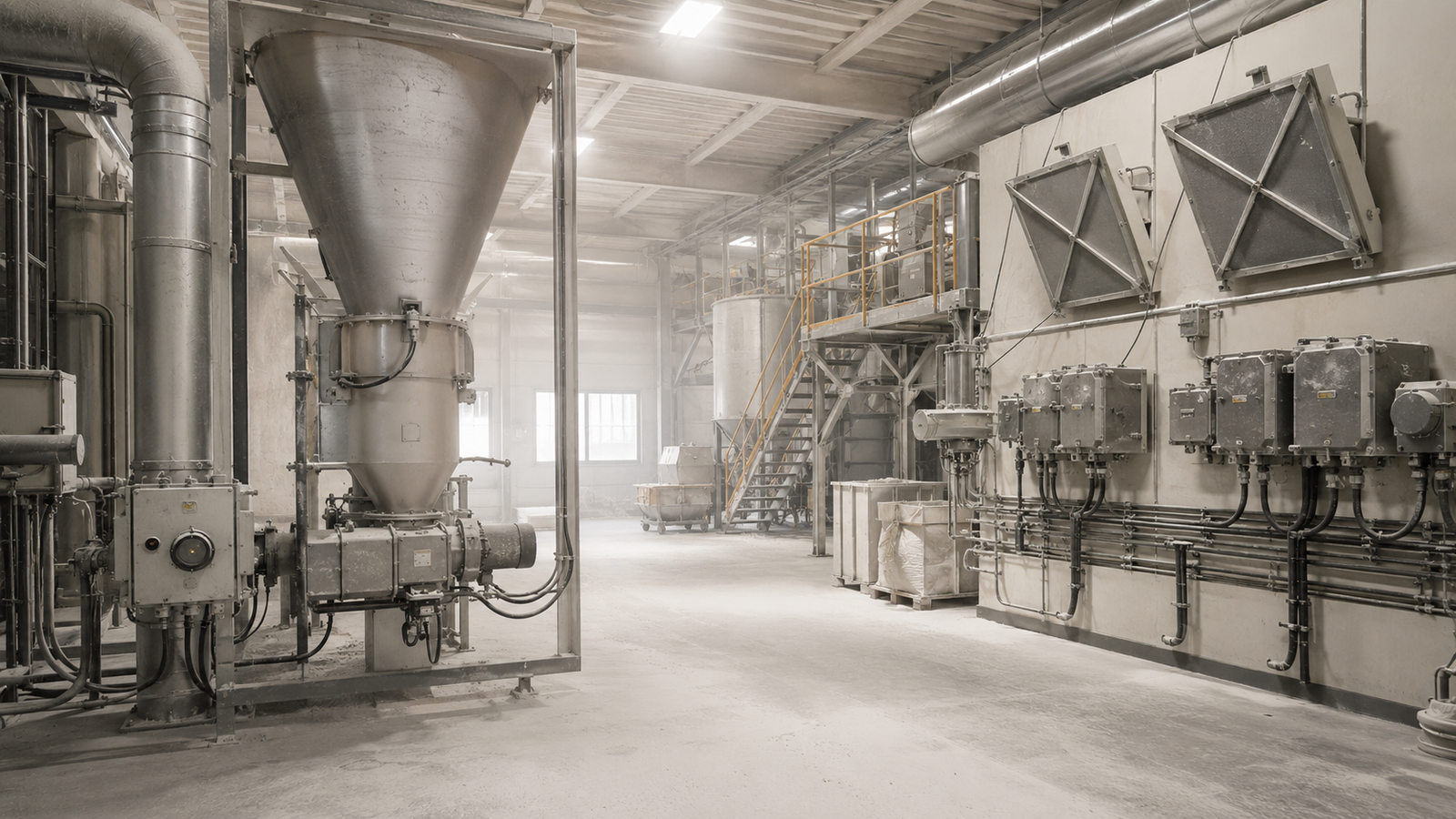
Dust Hazardous Area Explosion-Proof Cooling Case
Cooling Focus: Hazardous-area process temperature control, dust protection, and continuous industrial duty.
Chiller Direction: 90HP explosion-proof industrial chiller.
Engineering Review: Hazardous-area standard, dust or solvent exposure, electrical review, target temperature, and heat exchanger material.
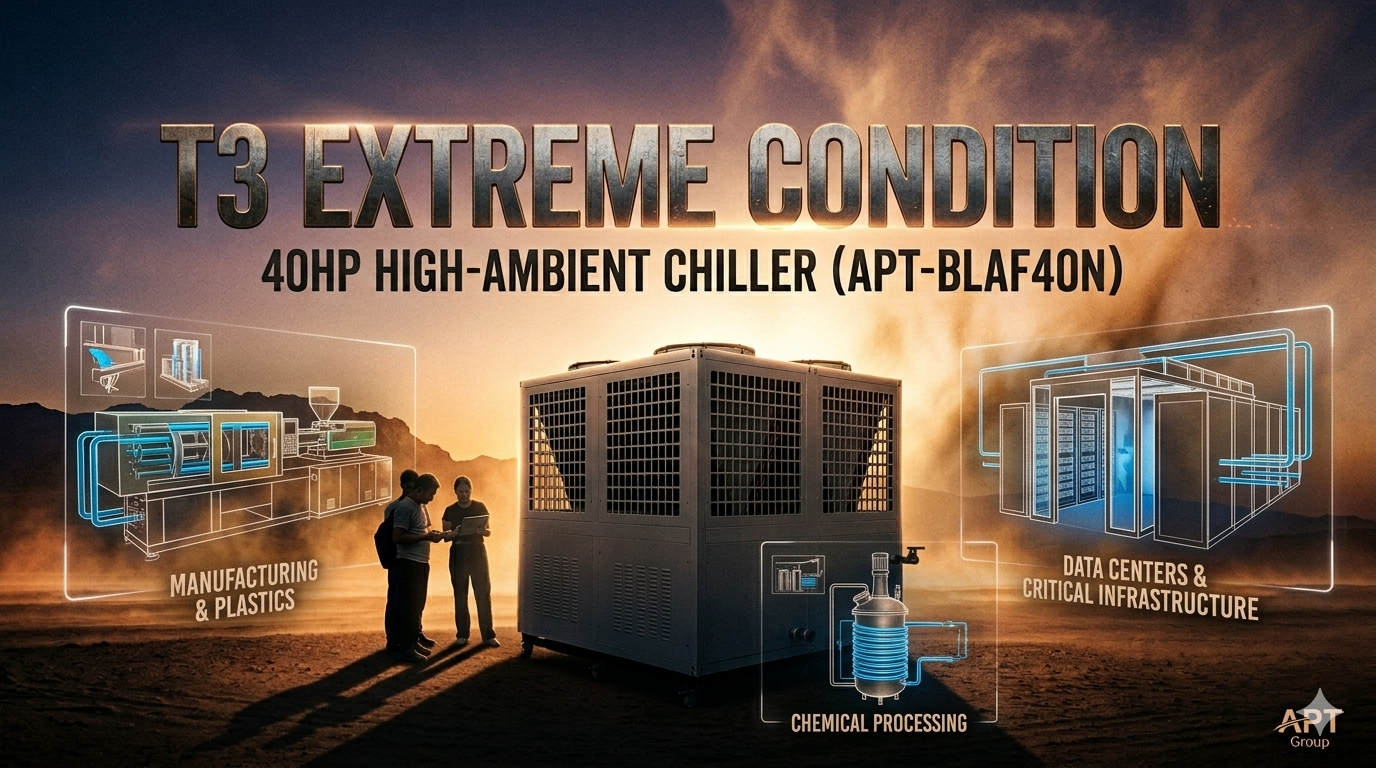
High Ambient Outdoor Factory Cooling Case
Cooling Focus: Reliable process cooling in hot climates, outdoor installation, and high ambient workshops.
Chiller Direction: 40HP T3 high-ambient air-cooled chiller.
Engineering Review: Ambient temperature, condenser margin, ventilation, dust condition, cabinet protection, export voltage.

Food Mixing Tank Cooling Case
Cooling Focus: Hygienic process cooling for beverage, sauce, and mixing tank temperature control.
Chiller Direction: 15HP stainless steel process chiller.
Engineering Review: Material contact, water quality, stainless steel tank or piping, temperature stability, and cleaning requirements.
Case-Based Project References
Move directly into the published case pages for compact equipment cooling, temporary factory support, and remote-site industrial process cooling.
Plasma Spray Cooling Case
Review 20HP thermal spray cooling logic for a 7700 plasma spray system repair workshop.
CaseInjection Molding Cooling Case
Review 10HP machine cooling direction for mold stability and process water support.
CaseLaser Cutting Cooling Case
Review compact laser loop temperature control and flow protection for fiber laser equipment.
CaseElectroplating Bath Cooling Case
Review plating bath temperature control and corrosion-resistant loop configuration.
CaseCNC Spindle Cooling Case
Review 3HP compact spindle cooling for precision machining workshops and machine-side loops.
CaseCold Plunge Bath Cooling Case
Review compact pull-down cooling logic for commercial cold plunge bath temperature control.
CaseMobile Chiller Cooling Case
Review movable cooling support for temporary production line backup and maintenance use.
CaseSolar-Assisted Cooling Case
Review hybrid power cooling logic for remote equipment and unstable-grid process support.
Custom and Special Cooling Cases
APT also publishes case references for custom engineering conditions such as high ambient temperature, hazardous areas, hygienic circuits, and remote-site cooling.
High-Ambient Factory Cooling Case
Review condenser margin, airflow, cabinet protection, and export voltage logic for hot-climate industrial sites.
Hazardous AreaExplosion-Proof Cooling Case
Review hazardous-area electrical protection, dust exposure, and continuous-duty process cooling requirements.
Food-GradeStainless Steel Process Cooling Case
Review hygienic water circuit planning for food, beverage, sauce, and mixing tank temperature control.
Chemical / PlatingCorrosion-Resistant Cooling Case
Review plating bath chemistry, stainless or titanium material direction, and water-cooled secondary loop design.
Movable LayoutMobile Industrial Chiller Case
Review caster-based chiller movement, temporary loop connection, and maintenance-backup factory cooling support.
Hybrid PowerSolar-Assisted Cooling Case
Review remote equipment cooling with solar-assisted power, battery support, inverter logic, and backup planning.
How APT Reviews a Cooling Project
APT uses a structured engineering review before recommending a chiller direction for a similar case.
Define Application and Heat Source
Identify the process, equipment type, heat source, and continuous operating condition.
Confirm Cooling Load
Review heat load, target outlet temperature, and temperature stability requirement.
Review Flow and Water Circuit
Check flow rate, pump pressure, water quality, heat exchanger, and pipe layout.
Check Site Conditions
Review ambient temperature, voltage, airflow, layout, dust, corrosion, and installation condition.
Recommend Chiller Direction
Choose air-cooled, water-cooled, or custom industrial chiller configuration.
Provide Technical Documents
Prepare quotation, datasheet, and technical communication for project review.
Case Study Quote Checklist
Use this checklist when asking APT to recommend a similar industrial chiller solution for your application.
- Application and equipment type
- Required cooling capacity or heat load
- Target outlet temperature
- Required temperature stability
- Flow rate and pump pressure
- Process fluid and water quality
- Ambient temperature
- Voltage, phase, and frequency
- Installation space and airflow
- Heat exchanger material requirement
- Control requirement
- Photos, drawings, nameplate, or existing chiller data
Download Application Case PDFs
Need PDF versions of APT application cases? Visit the Technical Downloads page or request the latest project PDF from APT engineers.
Related Case Pages
High Ambient Factory Cooling Case
Review hot-climate condenser margin and outdoor factory cooling direction.
CaseExplosion-Proof Cooling Case
Review hazardous-area temperature control and dust-area electrical protection logic.
CaseFood Mixing Tank Cooling Case
Review hygienic mixing tank temperature control with stainless steel process-side design.
CaseElectroplating Bath Cooling Case
Review plating bath cooling with corrosion-resistant water-cooled configuration.
CaseMobile Chiller Cooling Case
Review temporary production support with movable industrial process cooling equipment.
CaseSolar-Assisted Cooling Case
Review remote equipment cooling with hybrid power and unstable-grid backup strategy.
CaseCold Plunge Bath Cooling Case
Review 2HP cold plunge cooling for commercial bath pull-down and water temperature hold.
CaseCNC Spindle Cooling Case
Review compact spindle loop cooling for machine-side precision machining support.
Related Product Pages
Air-Cooled Chillers
Standalone process cooling and practical installation directions.
ProductWater-Cooled Chillers
Larger-capacity and continuous-duty industrial cooling directions.
EngineeringCustom Chiller Solutions
Custom pump, tank, voltage, heat exchanger, and PLC configuration review.
ComponentsParts & Heat Exchangers
Heat exchanger material and process fluid compatibility review.
ProductsIndustrial Chiller Products
Compare air-cooled, water-cooled, custom chillers, and key component directions.
Related Resource Pages
Chiller Selection Guides
Compare capacity, temperature, flow, pump pressure, and chiller type.
DownloadsTechnical Downloads
Download catalogs, datasheets, application PDFs, manuals, and guides.
ToolChiller Selection Tool
Organize process data before engineering review and quotation.
HubResources Center
Return to the main APT resource hub for more technical documents and support pages.
Industrial Chiller Case Studies FAQ
What are industrial chiller case studies?
Industrial chiller case studies are application references that show how different industries use chillers for process cooling, equipment protection, temperature control, and production stability.
What applications are included in APT chiller case studies?
APT case studies include die casting cooling, injection molding cooling, laser cooling, thermal spray cooling, electroplating cooling, chemical process cooling, high ambient factory cooling, and food-grade process cooling references.
Can I use a case study to select my final chiller model?
A case study is useful for preliminary reference, but final chiller selection should be confirmed according to actual heat load, target temperature, flow rate, pump pressure, process fluid, voltage, ambient temperature, and installation conditions.
Can APT provide a similar chiller solution for my application?
Yes. You can submit your process information and APT engineers can review whether an air-cooled, water-cooled, or custom industrial chiller is suitable for your project.
Do case studies include exact prices?
Case studies normally do not include fixed prices because chiller cost depends on cooling capacity, pump configuration, heat exchanger material, voltage, controls, refrigerant, installation environment, and project requirements.
Can I download case study PDFs?
Application case PDFs may be available through the Technical Downloads page or by request. If a specific PDF is not listed, contact APT engineers for the latest available version.
What information should I provide when asking for a similar case?
Please provide application type, equipment information, heat load, target temperature, flow rate, pump pressure, process fluid, ambient temperature, voltage, installation space, and photos or drawings if available.
Can APT support custom chiller case projects?
Yes. APT can review custom chiller projects involving special voltage, pump pressure, tank size, heat exchanger material, high ambient design, corrosion-resistant design, stainless steel configuration, or compact OEM layout.
Are high ambient and hazardous-area projects handled as standard cases?
High ambient and hazardous-area projects should be reviewed by project. Ambient temperature, condenser design, cabinet protection, electrical requirements, and safety conditions must be confirmed before recommendation.
Can APT provide case references for chemical or corrosive fluids?
Yes. APT can review chemical and corrosive fluid cooling requirements according to medium, concentration, pH, chloride level, heat exchanger material, secondary loop design, and corrosion risk.
Can one case study apply to multiple industries?
Some cooling logic may be similar across industries, but each project should still be reviewed according to equipment heat load, water quality, flow rate, pump pressure, operating hours, and installation conditions.
What is the next step after reading a case study?
The next step is to prepare process data, use the chiller selection tool if needed, and submit the application requirements to APT for engineering review and quotation.
Need a Similar Industrial Chiller Solution?
Share your application, heat load, target temperature, flow rate, pump pressure, process fluid, voltage, ambient temperature, installation layout, and special requirements. APT engineers can review your case and recommend a suitable air-cooled, water-cooled, or custom industrial chiller solution.